|
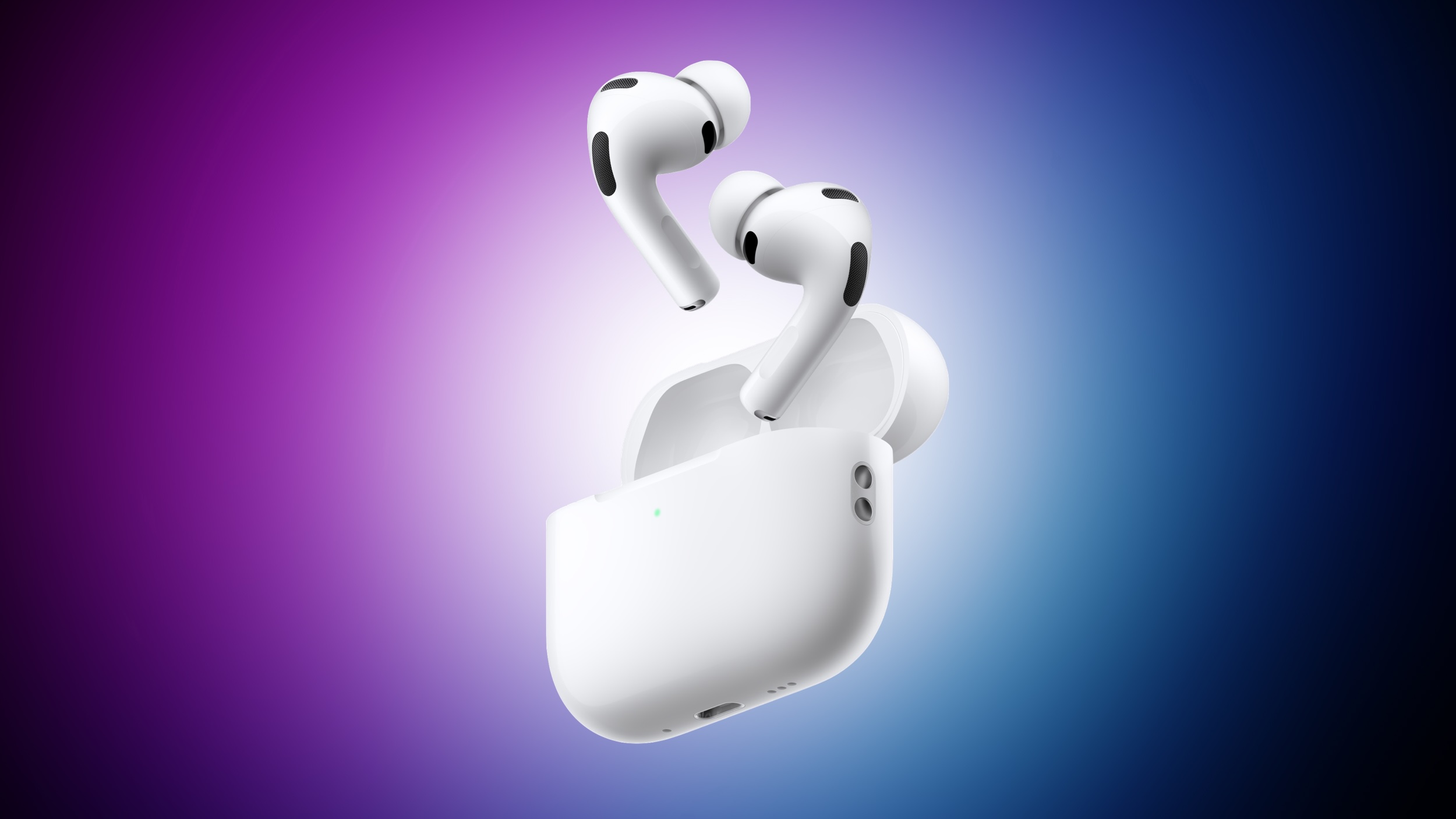 Apple is planning to debut a high-end secondary version of AirPods Pro 3 this year, sitting in the lineup alongside the current model, reports suggest. Apple is planning to debut a high-end secondary version of AirPods Pro 3 this year, sitting in the lineup alongside the current model, reports suggest.
|
RELATED ARTICLES | | | | |
|
 Apple will launch a second-generation iPhone Air this year, despite reports that it has been delayed until 2027, according to the Weibo leaker known as Fixed Focus Digital. Apple will launch a second-generation iPhone Air this year, despite reports that it has been delayed until 2027, according to the Weibo leaker known as Fixed Focus Digital.
|
|
Sony is ceding control of its Bravia TV brand to China's TCL as part of a new "strategic partnership," the companies announced in a joint press release. The Japanese electronics giant plans to sell a majority 51 percent stake in its home entertainment arm to TCL, while retaining a 49 percent share. The joint venture is set to start operations in April 2027, pending regulatory and other approvals.
The new combined business will sell TVs carrying Sony and Bravia branding while using TCL's display technology. The partnership will also leverage Sony's picture and audio expertise, supply chain management and other areas of expertise. For its part, TCL will contribute its vertical supply chain strength, global market presence and end-to-end cost efficiency.
"By combining both companies' expertise, we aim to create new customer value in the home entertainment field," Sony CEO Kimio Maki said in a statement. "We expect to elevate our brand value, achieve greater scale and optimize the supply chain in order to deliver superior products and services to our customers," added TCL Electronics chairperson DU Juan.
The news will come as a shock to some, particularly in Japan, as Sony has been strongly associated with high-quality TVs since the Trinitron days. However, it's currently fighting in a low-margin TV business full of formidable competitors including Samsung, LG, Hisense and TCL. The company has already sold off or closed other electronics operations, including PCs and tablets, and is barely hanging in with its smartphone business.
Sony effectively stopped making its own LCD and OLED panels some time ago, while TCL has increased its own production — having recently
|
|
Part of a lawsuit accusing OpenAI of abandoning its non-profit status claims Musk is owed anywhere from $79 billion to $134 billion in damages for the "wrongful gains" of OpenAI and Microsoft.
Musk claims in the filing that he's entitled to a chunk of the company's recent $500 billion valuation, after contributing $38 million in "seed funding" during the AI company's early years. It wasn't just money — according to the filing, Musk helped advise on key employee recruitment, introductions with business contacts and startup advice.
If this sounds familiar, it's because the lawsuit dates back to March 2024. It's still going.
— Mat Smith
The other big stories (and deals) this morning
ASUS changes mind, will continue selling the RTX 5070 Ti after all
Musk claims Tesla will restart work on its Dojo supercomputer
Microsoft issues emergency fix after update stops some Windows 11 devices from shutting down
|
|
The UK Gambling Commission has raised concerns that Meta is ignoring advertisements by illegal gambling websites on its platforms. At a conference in Barcelona, the commission's Executive Director Tim Miller criticized Meta's behavior towards advertisements for online gambling on its Facebook and Instagram social networks.
"Companies like Meta will tell you that they don't tolerate the advertising of illegal sites and will remove them if they are notified about them," Miller's speech transcript reads. "But that approach suggests that they don't know about those ads unless alerted. That is simply false."
Meta's internal policy is that gambling sites must be licensed in the markets where their ads run. However, the agency was able to conduct basic searches for advertisers that are not on its GamStop platform, which helps people block themselves from accessing online gambling sites. GamStop integration is
|
|
Canada has agreed to drastically reduce its tariffs on imported Chinese EVs from 100 percent to 6.1 percent as part of a new deal between the two countries. In return, China will be reducing tariffs on Canadian canola seeds from 84 percent to about 15 percent.
The move is a break from the United States, which maintains a 100 percent tariff on EVs from China, effectively banning them in the country. Mexico currently tariffs the vehicles at 50 percent after increasing its rate last year.
Under the agreement, which Canadian Prime Minister Mark Carney called "preliminary," Canada will allow up to 49,000 Chinese EVs into the country, with that number rising to 70,000 after five years. Until now the three major North American trading partners had been aligned in trying to protect their domestic electric vehicle manufacturing. Chinese EV companies benefit from state subsidies, and as such can often be priced at a far better value than domestic alternatives.
"Our relationship has progressed in recent months with China. It is more predictable and you see results coming from that," Carney said to reporters. A warmer relationship may be forming in response to the Trump administration's
|
|