|
 With CES 2026 slated to officially start next week, the focus is understandably on all the new products that will be announced at this year's event. But before diving into what's new, we thought it was a good idea to revisit our best of show winners from last year to see where they're at. After all, CES is synonymous with vaporware. The good news is the Engadget team has a keen sense for BS. Of the ones we awarded at CES 2025 that haven't been released, most are coming this year. For the remaining few, we'll be hunting them down this CES. With CES 2026 slated to officially start next week, the focus is understandably on all the new products that will be announced at this year's event. But before diving into what's new, we thought it was a good idea to revisit our best of show winners from last year to see where they're at. After all, CES is synonymous with vaporware. The good news is the Engadget team has a keen sense for BS. Of the ones we awarded at CES 2025 that haven't been released, most are coming this year. For the remaining few, we'll be hunting them down this CES.
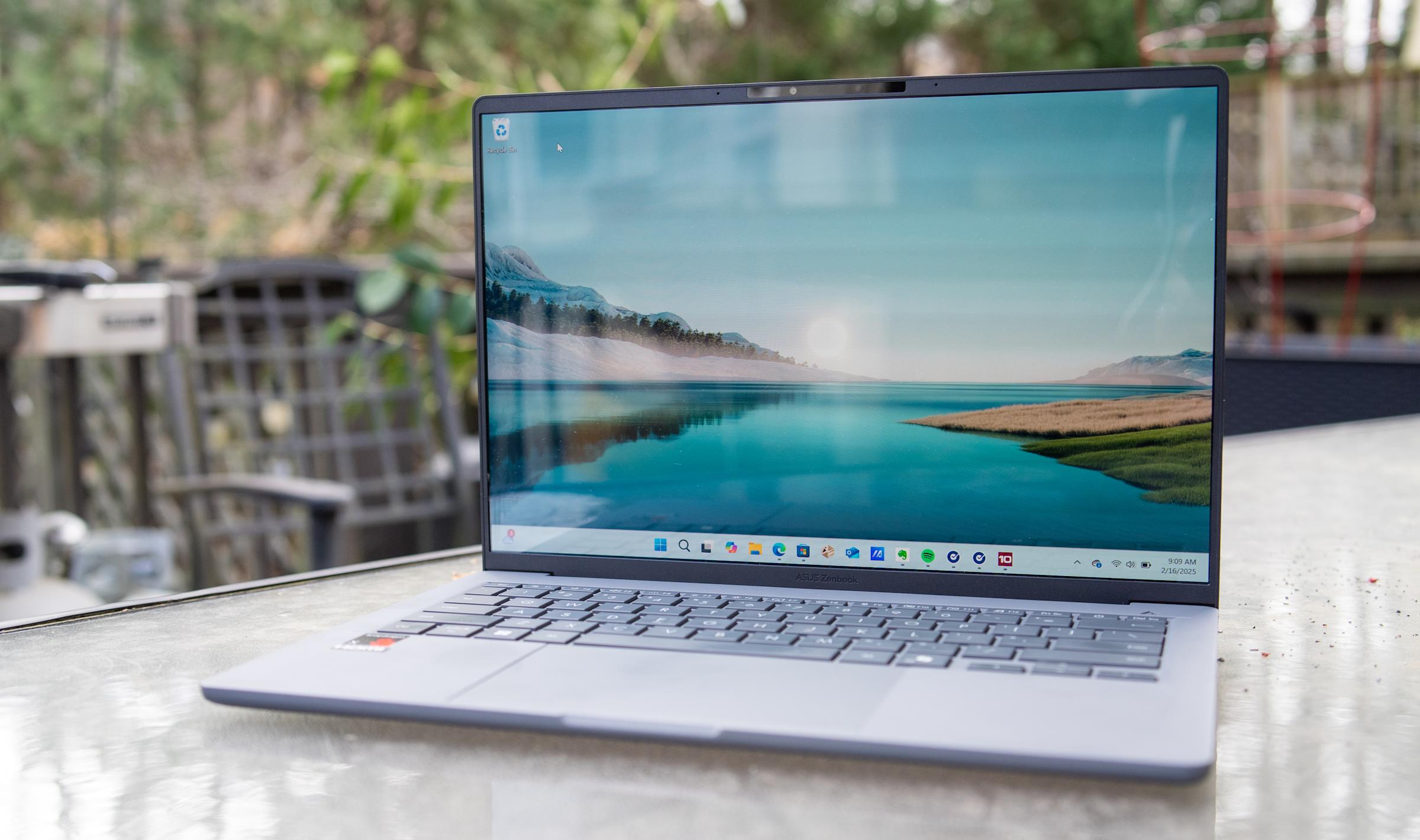
ASUS Zenbook A14An Asus Zenbook A14 sits out a patio table. Devindra Hardawar for EngadgetWhen we saw the ASUS Zenbook A14 at CES 2025, it left us impressed with its lightweight but well-made chassis, beautiful OLED screen and excellent mix of ports. After spending more time with it, the A14's shortcomings became more apparent. In his
|
RELATED ARTICLES | | |
|
SpaceX, OpenAI, Anthropic are all allegedly planning to raise eye-watering figures in market debuts.
|
RELATED ARTICLES | | |
|
Clicks is bringing its physical keyboard products to CES yet again, and these are chock full of nostalgia. The company has also unveiled its first smartphone, aimed at "communication, not consumption," that it says will function as a second phone used mostly for messaging.
The phone is dubbed the Clicks Communicator and features a tactile keyboard, a 4-inch OLED display, a 3.5mm headphone jack and expandable microSD storage up to 2TB. The interface is built on Android 16 and supports hardware-level encryption.
Even though Clicks says it wants to leave "content capture" to a users' primary device, the Communicator still sports a 50MP main camera and 24MP front camera. The phone also has NFC to support Google Pay, along with Bluetooth and Wi-Fi capability. Its 4,000 mAh battery can be charged via USB-C or wireless charging.
While the Communicator may look like a Blackberry or Palm device from days gone by, it carries modern features like a fingerprint sensor in the spacebar. It also has what Clicks calls a Signal LED, which is a customizable alert light that lets users know when specific people or apps are causing notifications.
As much as Clicks talks about its new phone as a secondary device, it follows the trend of minimalist or "dumb" phones as more users pull away from an overexposure to technology, social media and notifications. Some might even find it compelling as a primary device. But the secondary device idea feels unproven: having two phones would mean two phone plans with two phone numbers, which could be impractical for many use
|
|
 A look at Hyundai's Holographic Windshield Display. (Hyundai)
While it often feels like a full-on auto show, the car vibes feel somewhat lessened at CES 2026. Yes, the Afeela electric vehicle from the Sony-Honda joint venture will be back on the floor, but with the Trump administration yanking most EV incentives from the market, the industry isn't offering a full-court press of new vehicles in Las Vegas this year. That said, there's still plenty of in-cabin car tech on display, including Hyundai's Holographic Windshield Display. A look at Hyundai's Holographic Windshield Display. (Hyundai)
While it often feels like a full-on auto show, the car vibes feel somewhat lessened at CES 2026. Yes, the Afeela electric vehicle from the Sony-Honda joint venture will be back on the floor, but with the Trump administration yanking most EV incentives from the market, the industry isn't offering a full-court press of new vehicles in Las Vegas this year. That said, there's still plenty of in-cabin car tech on display, including Hyundai's Holographic Windshield Display.
Indeed, the company's
|
RELATED ARTICLES | | |
|
It's no secret that AI-generated content took over our social media feeds in 2025. Now, Instagram's top exec Adam Mosseri has made it clear that he expects AI content to overtake non-AI imagery and the significant implications that shift has for its creators and photographers.
Mosseri shared the thoughts in a lengthy post about the broader trends he expects to shape Instagram in 2026. And he offered a notably candid assessment on how AI is upending the platform. "Everything that made creators matter—the ability to be real, to connect, to have a voice that couldn't be faked—is now suddenly accessible to anyone with the right tools," he wrote. "The feeds are starting to fill up with synthetic everything."
But Mosseri doesn't seem particularly concerned by this shift. He says that there is "a lot of amazing AI content" and that the platform may need to rethink its approach to labeling such imagery by "fingerprinting real media, not just chasing fake."
From Mosseri (emphasis his):
On some level, it's easy to understand how this seems like a more practical approach for Meta. As we've previously reported, technologies that are meant to identify AI
|
|