|
Over the last 50 years, Apple reimagined personal computers, catalyzed the era of the smartphone, enlarged an iPhone and called it the iPad and garnered a strong position in wearable tech through its Watch series and its AirPods. It also popularized software and services like its App Store, FaceTime, iCloud, iMessages and many more. For a lot of us, the first time we pinched-to-zoom on a photo was likely on an iPhone.
However, Apple gives and it takes away. Things have had to change, be removed and consumers have to move on to whatever's new. For better or worse, the weight of Apple's influence has led to entire product categories following suit. Or, more typically, there's resistance, complaining and then… following suit. With the benefit of hindsight, most of these cases are examples of Apple seeing where technology was going and getting ahead of a transition that would have been inevitable. Often, these transitions have caused short-term pain for some, but time has proven Apple (mostly) correct about dropping older tech.
As Sir Arthur Quiller-Couch once said: murder your darlings. Here are some of the darlings we've lost over the years.
The death of the disk drive (1998)
This is a two-parter. The iMac G3 marked Steve Jobs' return. The colorful all-in-one Mac was a new start in many ways. In 1998, Apple ditched the standard ports and myriad cable types of personal computers, going all in
|
|
It's not an April Fool's Joke. Apple's celebrating half a century today.
|
|
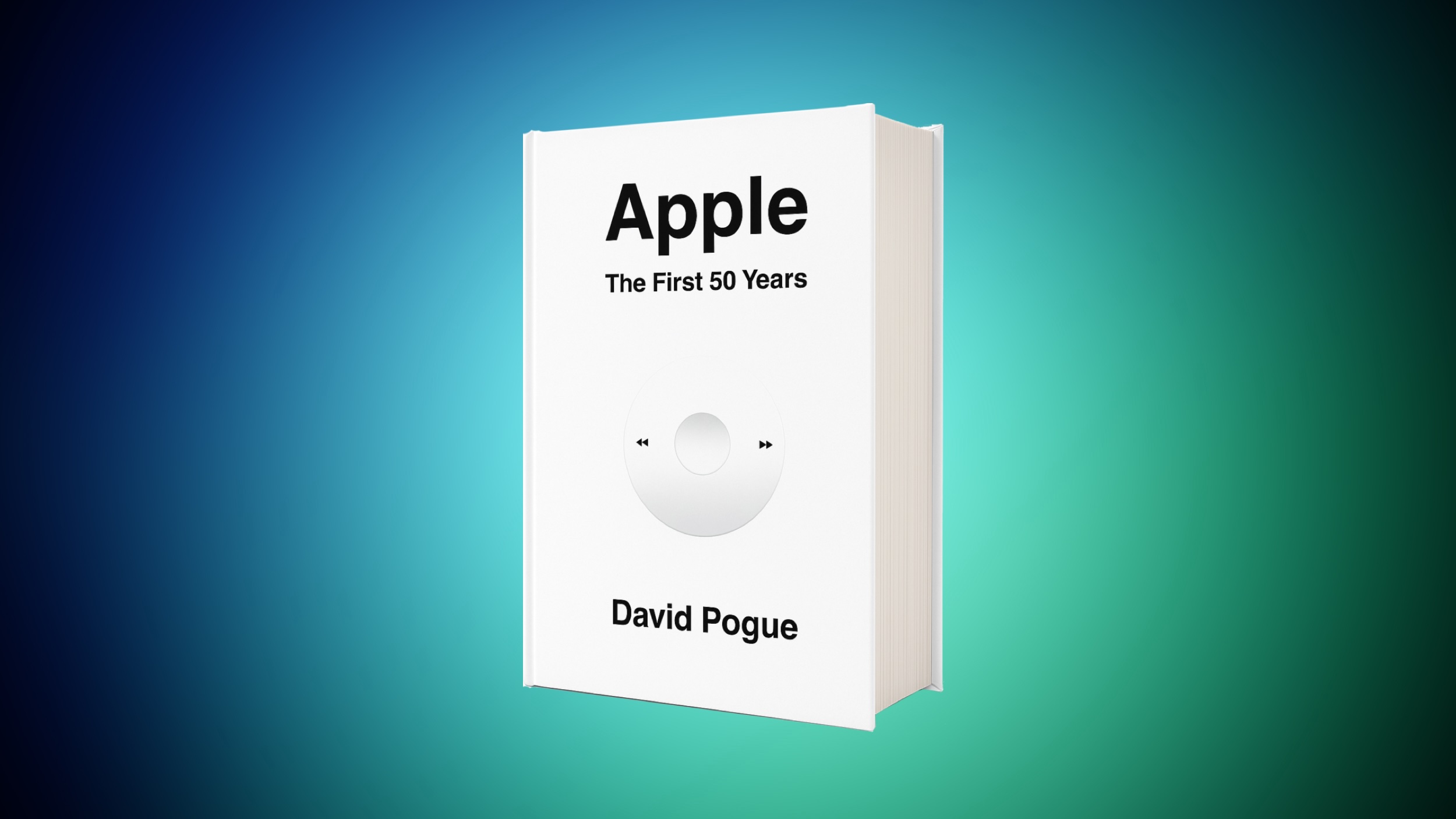 This month, tech columnist David Pogue launched a new book called "Apple: The First 50 Years." On Amazon, you can get the new book for $33.80 in hardcover, down from $50.00, the best price we've seen so far on the book. This month, tech columnist David Pogue launched a new book called "Apple: The First 50 Years." On Amazon, you can get the new book for $33.80 in hardcover, down from $50.00, the best price we've seen so far on the book.
|
|
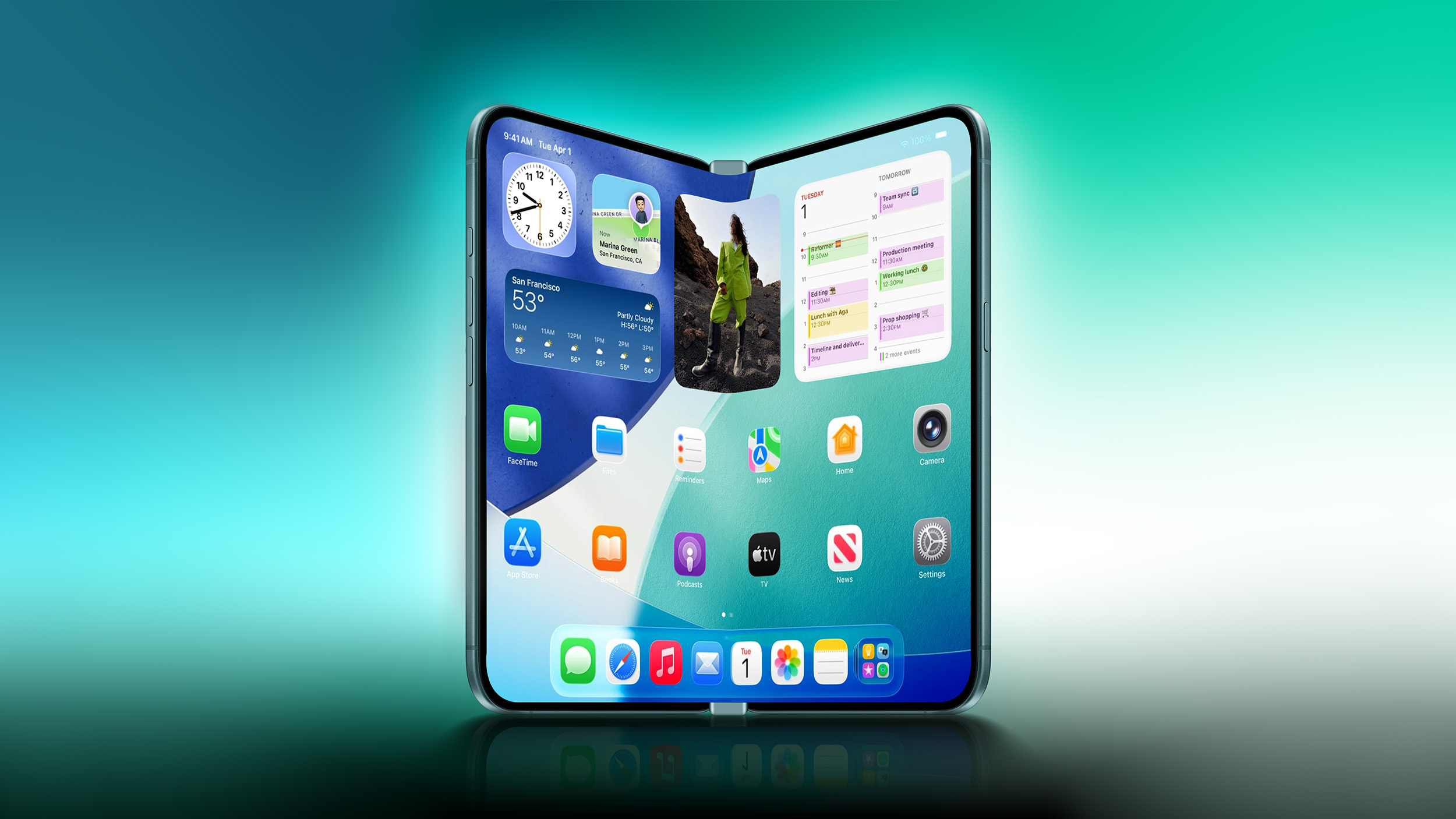 Bloomberg's Mark Gurman has high expectations for Apple's first foldable iPhone. Bloomberg's Mark Gurman has high expectations for Apple's first foldable iPhone.
|
|