|
RAMaggedon claims another one.
|
|
 The Connectivity Standards Alliance that includes Apple today announced the latest version of Matter, Matter 1.6. The update focuses on improved device setup, better coordinated device management, and response to control inputs. The Connectivity Standards Alliance that includes Apple today announced the latest version of Matter, Matter 1.6. The update focuses on improved device setup, better coordinated device management, and response to control inputs.
|
|
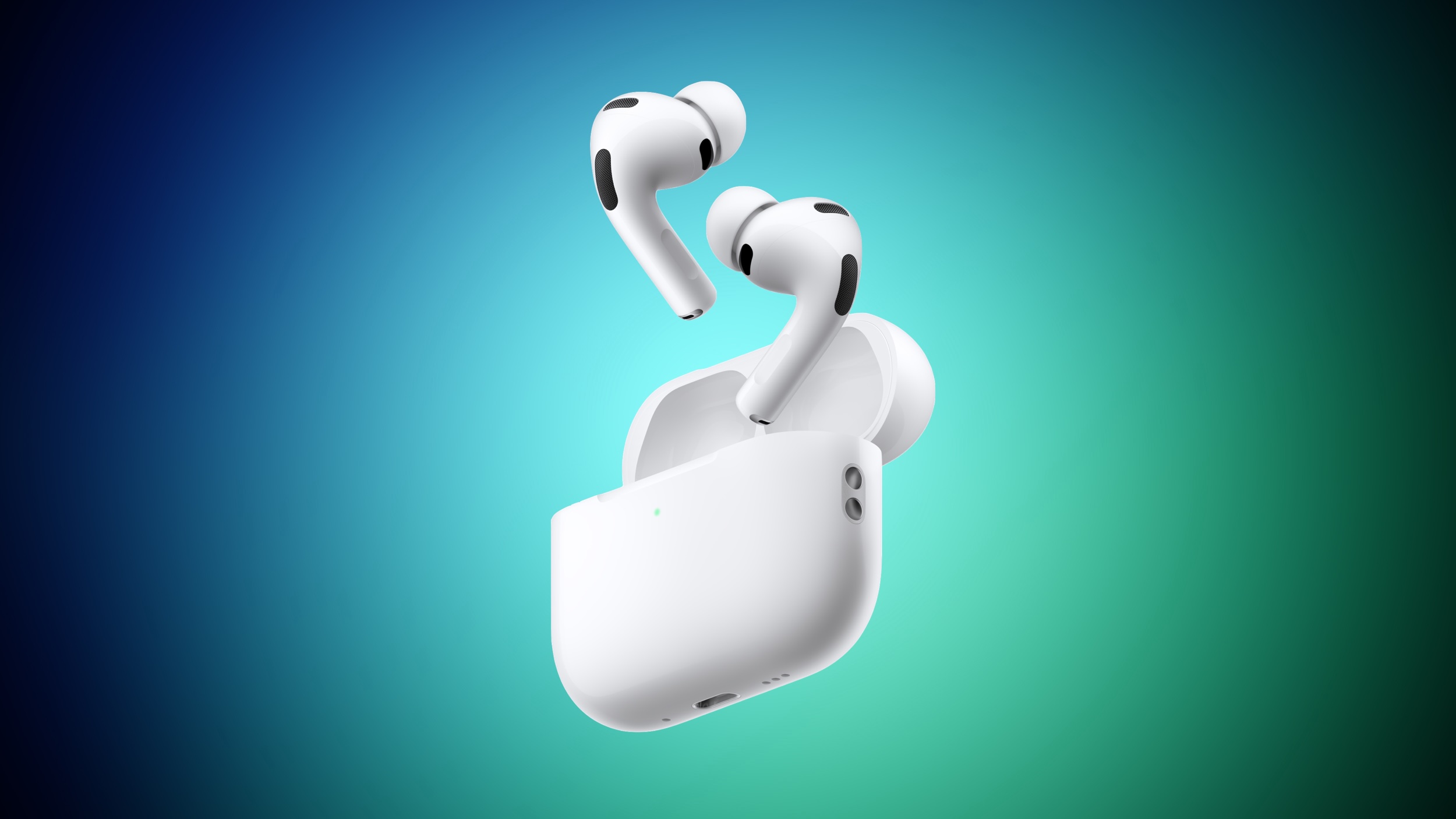 Amazon today has the AirPods Pro 3 available for $169.00 in an early Prime Day sale, down from $249.00. This is a new all-time low price on the AirPods Pro 3, beating the previous low by $10. Amazon today has the AirPods Pro 3 available for $169.00 in an early Prime Day sale, down from $249.00. This is a new all-time low price on the AirPods Pro 3, beating the previous low by $10.
|
|
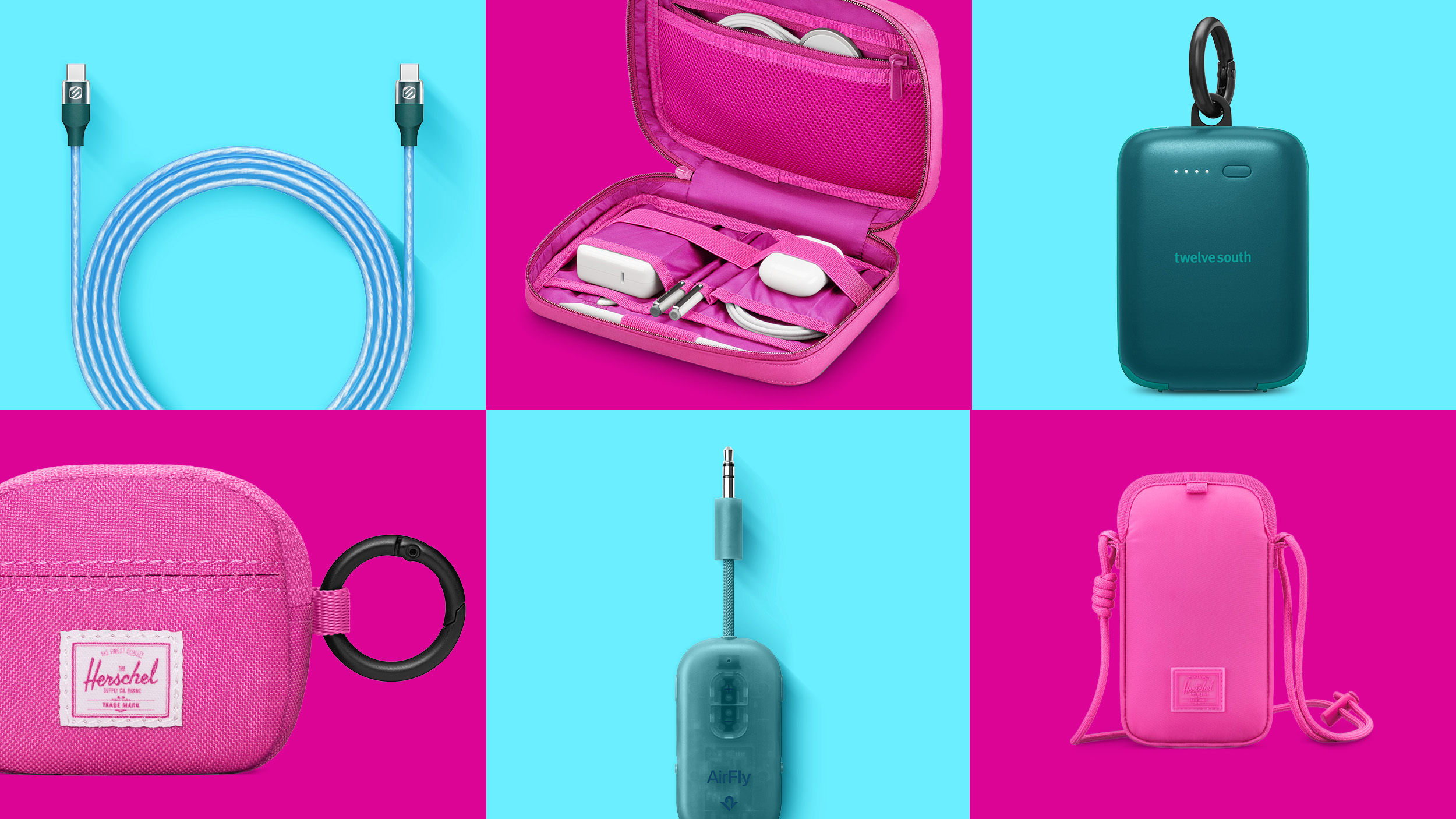 Apple has teamed up with accessory makers to offer chargers, stands, power banks, cables, and more in bright color options like blue, pink, and teal. The splash of color arrives in time for summer in the U.S. and many other countries. Apple has teamed up with accessory makers to offer chargers, stands, power banks, cables, and more in bright color options like blue, pink, and teal. The splash of color arrives in time for summer in the U.S. and many other countries.
|
|